
How Much Car Insurance Do You Really Need in Connecticut?
Table of Contents
How Much Car Insurance Do You Really Need in Connecticut?
Connecticut's legal minimum keeps you on the right side of the law, but "legal" and "adequate" aren't always the same thing. Here's how to think through what coverage actually makes sense for your situation.
Is Connecticut's minimum coverage enough?
It meets the legal requirement, but many insurance professionals consider it thin protection, especially in a serious accident. Connecticut's minimum only requires $25,000 in bodily injury coverage per person and $25,000 in property damage — figures that can be exceeded quickly by a single serious collision involving a newer vehicle or a hospital visit, leaving you personally responsible for the difference.
What's the difference between minimum liability and full coverage?
Liability coverage — including Connecticut's required minimum — only pays for damage or injuries you cause to others; it does nothing for your own vehicle. Full coverage adds collision and comprehensive insurance on top of liability, which pays to repair or replace your own car regardless of fault, whether from a collision, theft, weather, or hitting an animal. If you're financing your vehicle, your lender will almost certainly require full coverage as a condition of the loan.
Do I need collision and comprehensive coverage?
If you're financing or leasing, yes — it's typically required. If you own your car outright, it becomes a judgment call based on the car's value: for an older vehicle worth a few thousand dollars, the annual premium for collision and comprehensive may not be worth it compared to just covering repairs yourself, while a newer or higher-value vehicle usually justifies the added protection.
What is GAP insurance and do I need it?
GAP insurance covers the difference between what you owe on your loan and your car's actual value if it's totaled, which matters most when you've financed with little or no down payment, since new and recently purchased vehicles depreciate faster than a loan balance typically drops in the first year or two. If you've made a substantial down payment or your loan balance is already close to the car's value, GAP coverage matters less.
How do I decide the right coverage level for my situation?
A common approach many advisors suggest is liability coverage well above the state minimum — often in the range of $100,000 per person and $300,000 per accident — since the cost difference between minimum and higher liability limits is usually smaller than people expect, while the protection difference is significant. From there, weigh collision, comprehensive, and GAP based on your vehicle's value, your loan situation, and how much risk you're comfortable carrying yourself.
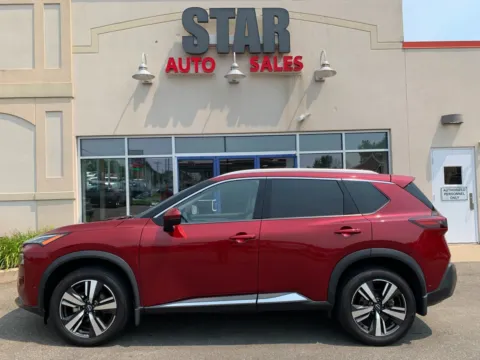
Not sure what coverage fits your situation? Get a quote before your visit, or stop by Star Auto Sales on Route 5 in Meriden — we're glad to talk through what makes sense for your specific vehicle.
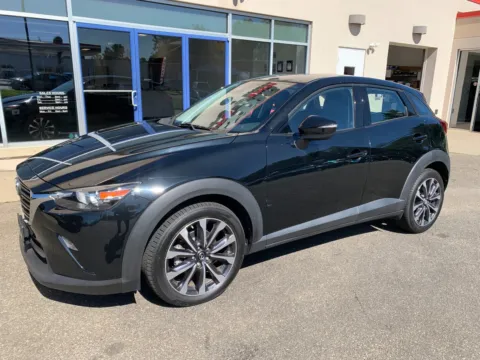
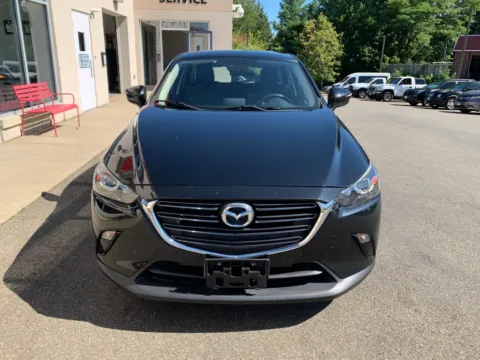
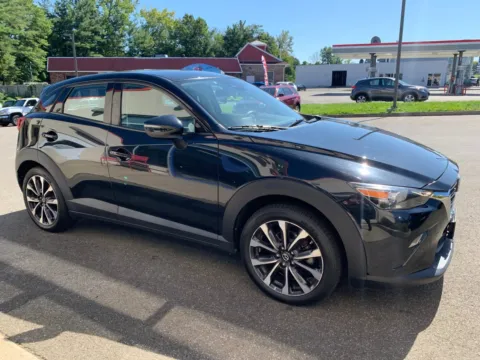
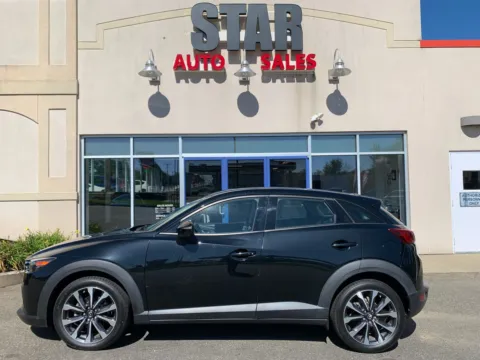


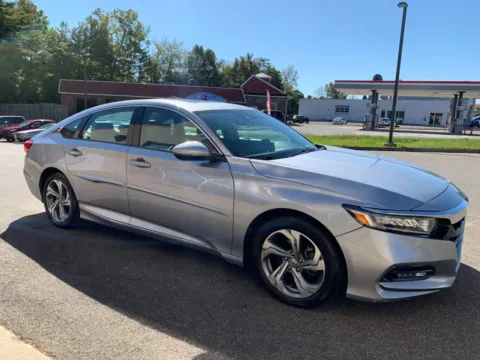
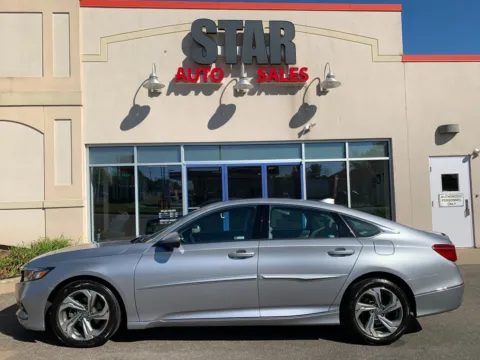
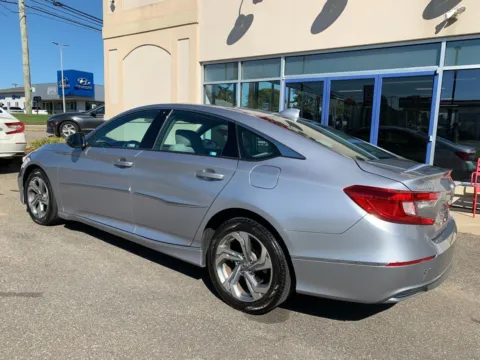


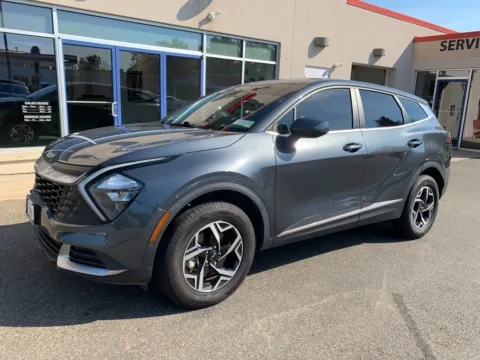
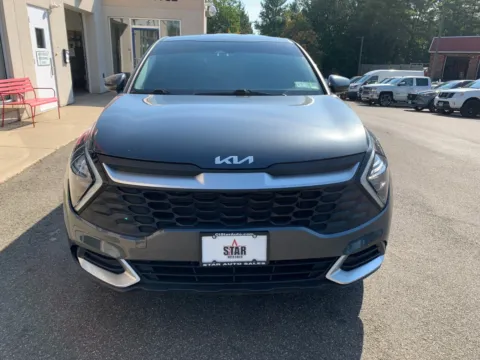
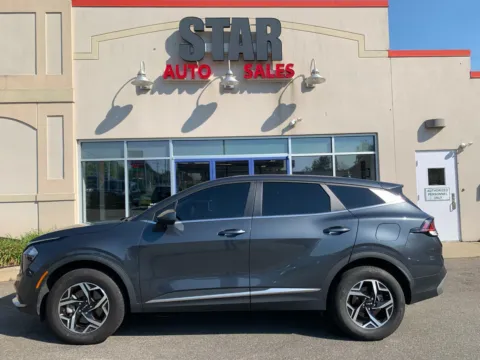
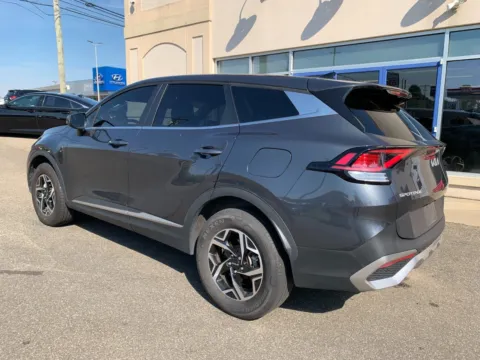
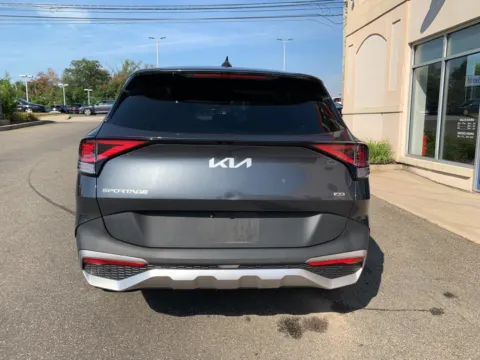


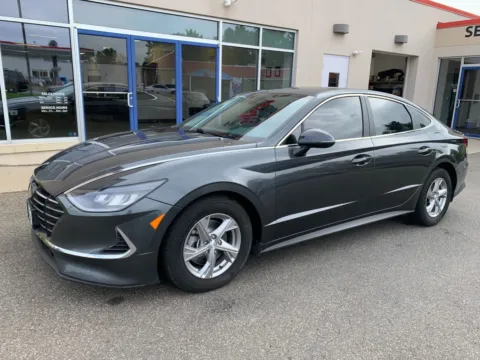
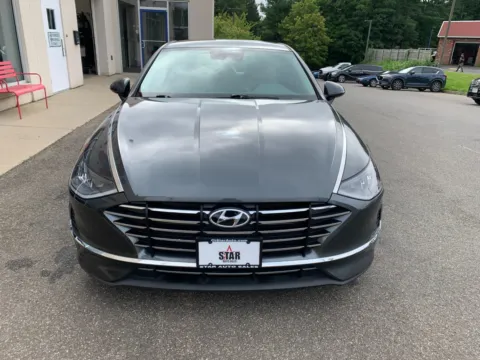
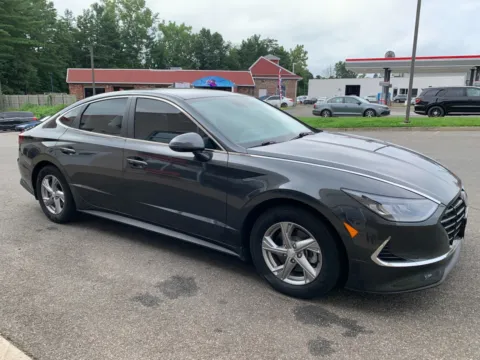
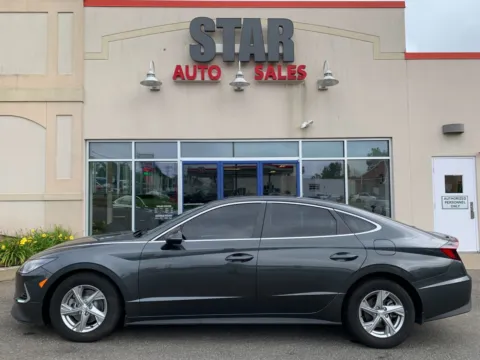
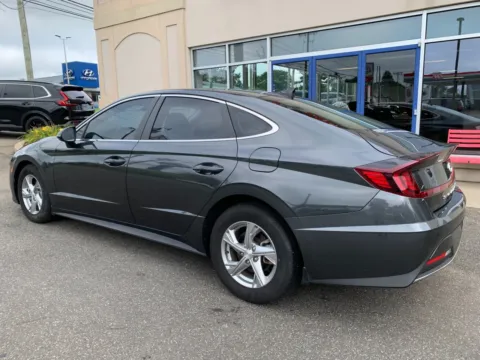


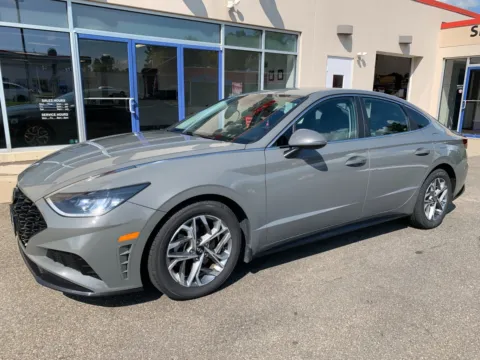
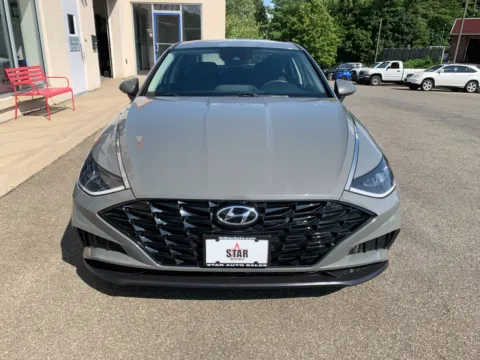
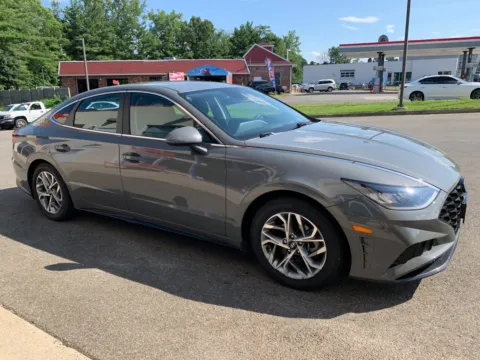
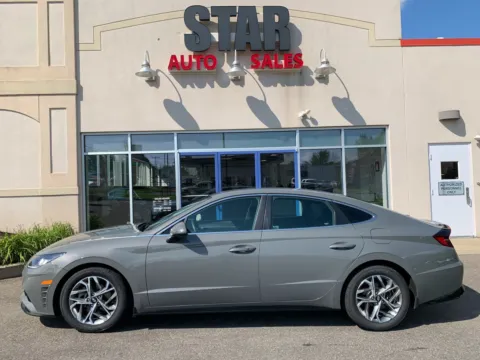
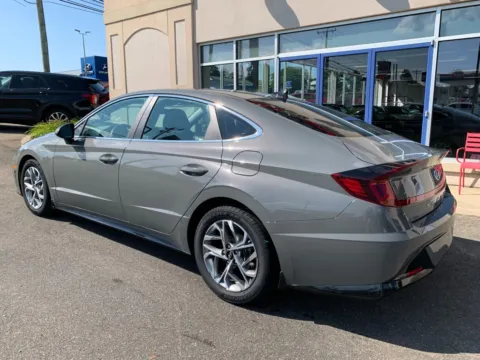
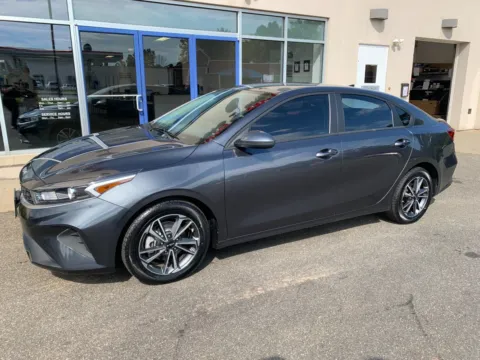
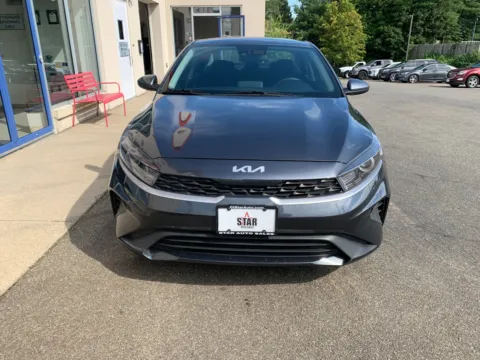
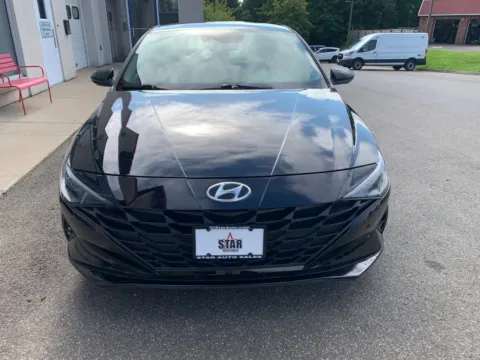
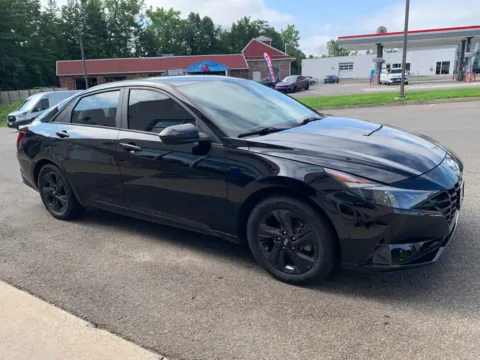
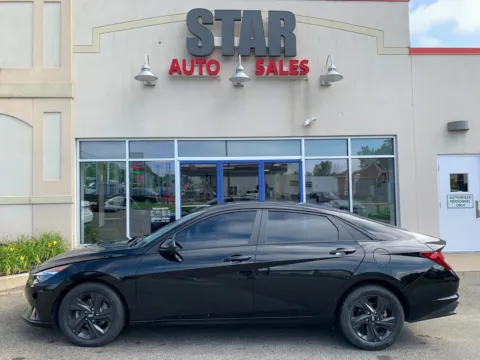
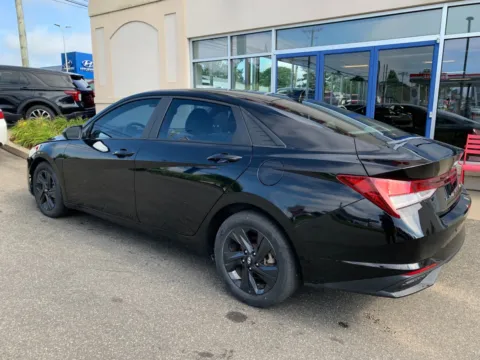
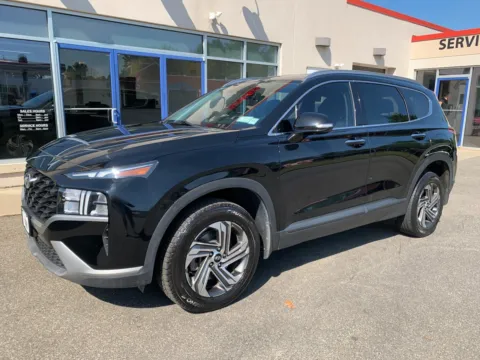
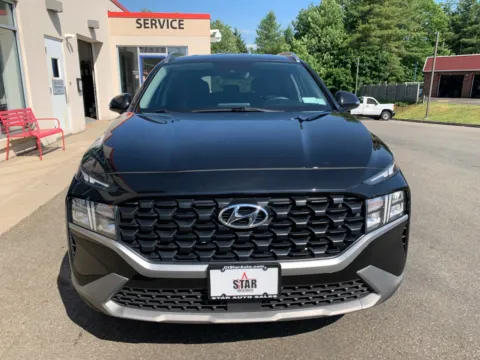
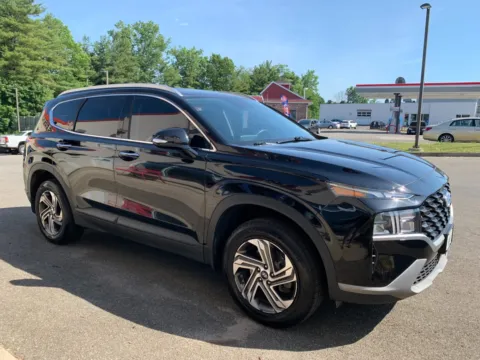
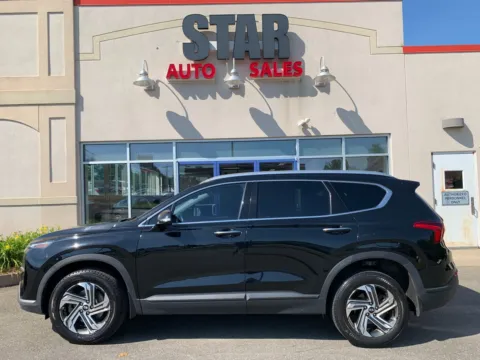
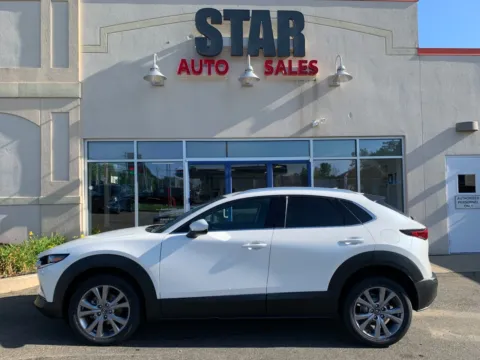
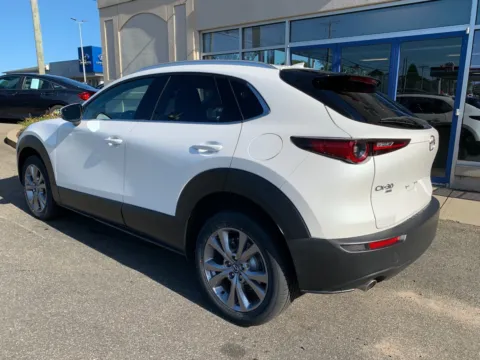
$23,099
$311/mo