
Best Used SUVs with the Most Cargo Space
Table of Contents
Best Used SUVs with the Most Cargo Space
Not every SUV is actually built for hauling. Roofline, seat-folding design, and body style all affect how much you can really fit — often more than the vehicle's overall size suggests. Here's how to find genuine cargo space without needing a full-size, top-dollar SUV.
How much cargo space should I look for in an SUV?
It depends entirely on what you're hauling — weekly groceries and a stroller need a lot less room than camping gear or a home improvement project. As a rough guide, compact SUVs typically offer 60-70 cubic feet with seats folded, midsize crossovers land in the 80-98 cubic foot range, and true full-size SUVs can exceed 140 cubic feet, though usually at a much higher price point than most used-car budgets.
Which used SUVs offer the most cargo space for the money?
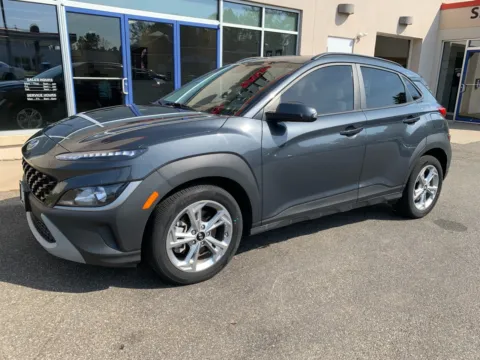
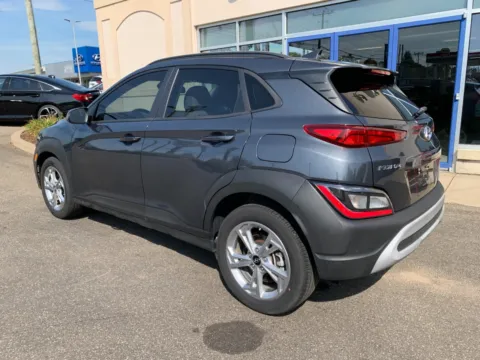
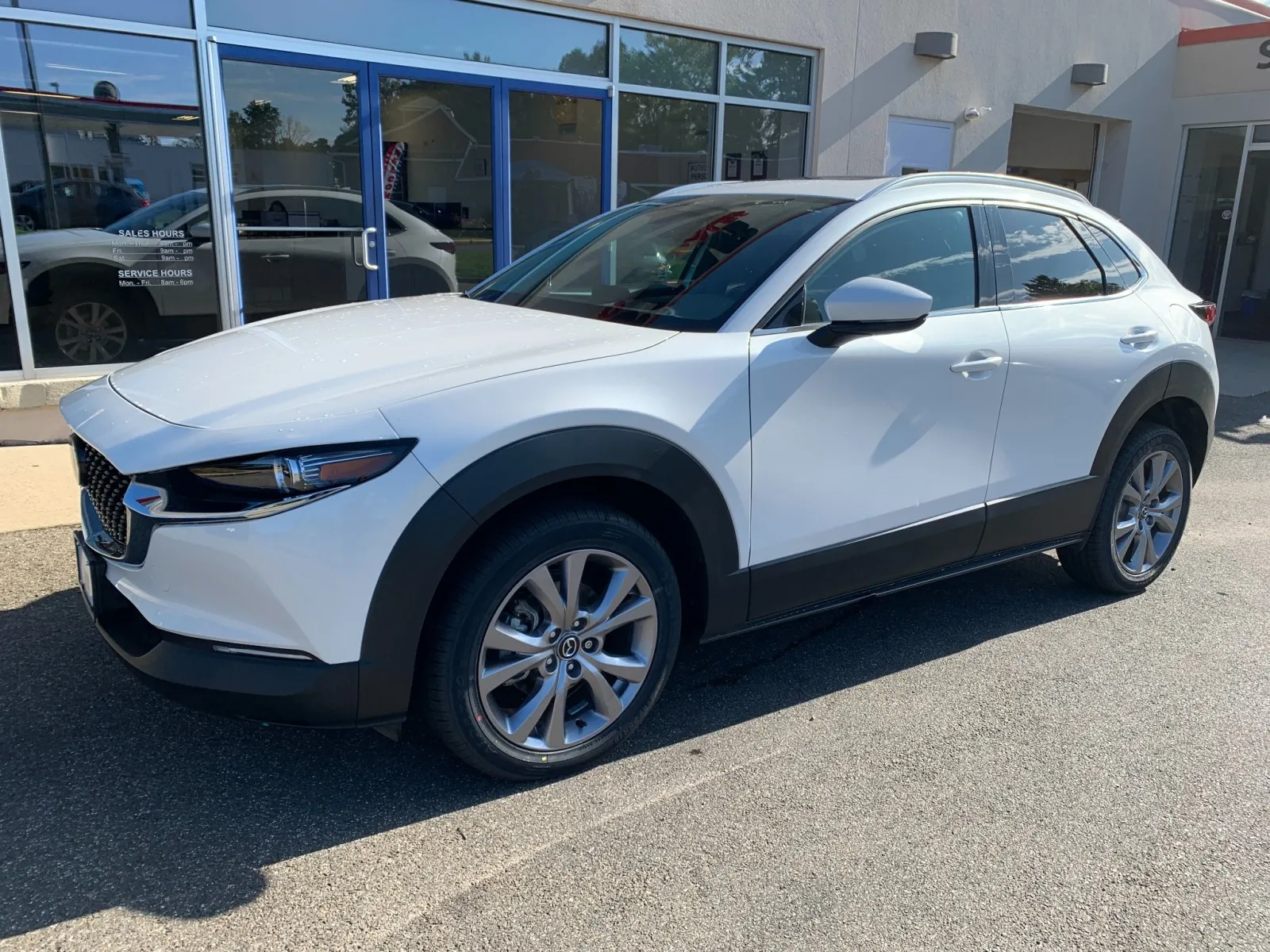
Among mainstream, attainably priced models, the Chevrolet Traverse stands out with roughly 98 cubic feet of maximum cargo volume, and the Toyota Highlander is close behind. The Hyundai Palisade offers close to 87 cubic feet with genuinely comfortable third-row seating, and if you want a compact option, the Subaru Outback leads its class at around 80 cubic feet, plus standard all-wheel drive. Full-size SUVs like the Chevrolet Suburban or GMC Yukon XL top the charts outright, but they typically command a higher price on the used market than midsize alternatives offering nearly as much practical space. Browse our current SUV inventory to see what's on the lot.
Does a bigger SUV always mean more usable cargo space?
Not necessarily — a boxier roofline with a flatter cargo floor often beats a larger but more sloped SUV, since usable volume depends on shape as much as overall size. Vehicles that fold their seats fully flat, rather than at an angle, also make a real difference in how much you can actually stack and fit.
How can I maximize cargo space in the SUV I already own or buy?
Fold the second and third rows flat rather than just the third row alone whenever you don't need the extra seats, and consider a roof box or hitch-mounted cargo carrier for occasional big hauls rather than buying a larger SUV than you need day to day. A cargo organizer or tray also helps you use irregular space more efficiently than just piling items loose.
What's the tradeoff between cargo space and fuel economy?
Generally, more cargo space comes from a larger, heavier vehicle, which typically means lower fuel economy than a compact SUV or sedan. A midsize crossover often strikes the best balance for buyers who need real cargo room without the fuel costs of a full-size SUV, which is why they're some of our most popular vehicles.
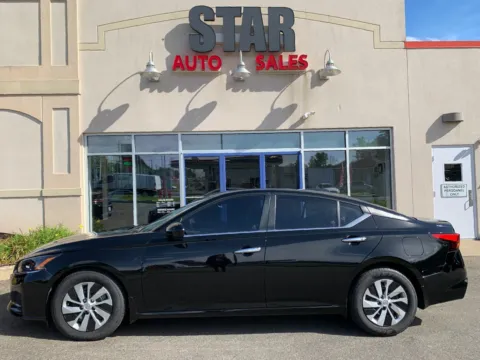
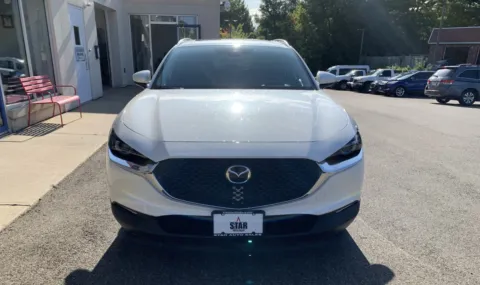
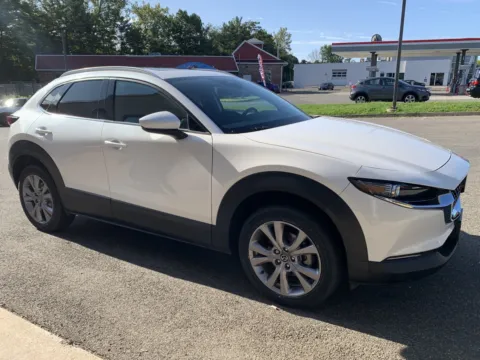
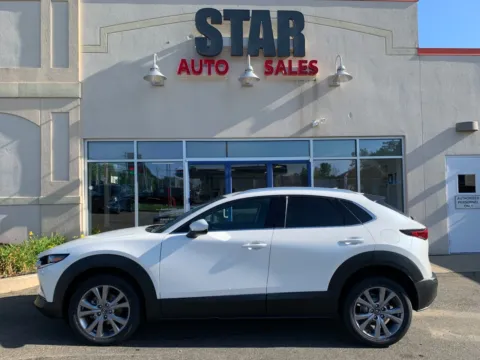
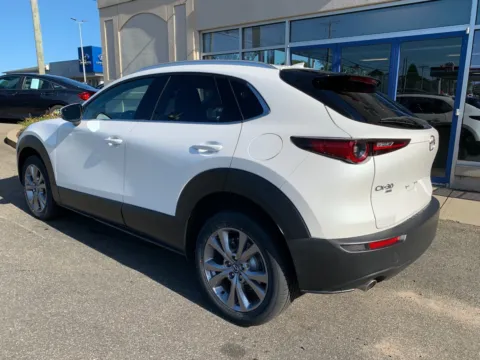
Need more room without overspending? Browse our current SUV inventory or stop by Star Auto Sales on Route 5 in Meriden to compare a few options side by side.





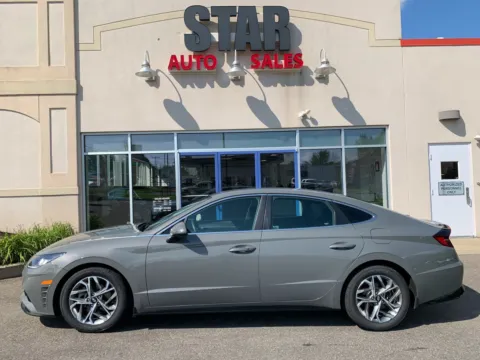
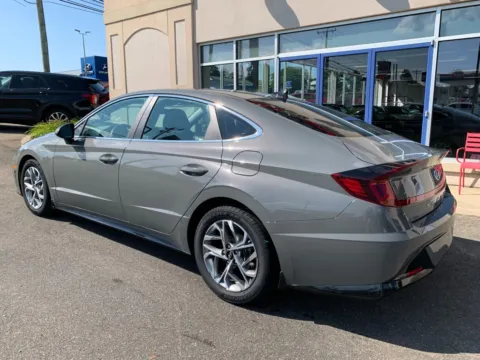


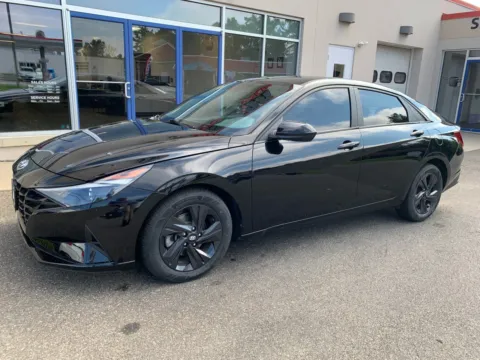
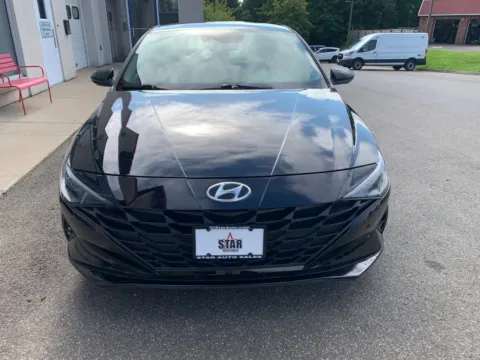


$22,799
$307/mo